15mm Wheel Spacers: Acura Integra Type S (DE5) Fitment
Jack the car, fit 15mm hub-centric spacers, and torque Type S / Type R lug nuts to 94 ft-lbs in a star pattern. Mild OEM-plus flush without poking.
Full video (5 min): 2024 Acura Integra Type S: Perfect Wheel Fitment with 15mm Spacer Installation · John's YouTube channel
Get the parts
- Search Amazon for 2024 Acura Integra Type SSearch on Amazon ↗
- 15mm spacers (eBay link from the description)Buy ↗
As an Amazon Associate I earn from qualifying purchases. Some links are affiliate links.
Jack the car, fit 15mm hub-centric spacers, and torque Type S / Type R lug nuts to 94 ft-lbs in a star pattern. Mild OEM-plus flush without poking. This 5 min guide covers the Acura Integra Type S / Honda Civic Type R (torque 94 ft-lbs per John) with tools, parts links and the full video.
Overview
Stock Type S wheels sit deep in the arches — especially in the rear — which makes the car look taller than it is. 15mm spacers give an OEM-plus stance: still slightly tucked up top, but the rear sits closer to parallel with a bit of meat showing. John prefers 15mm over 25mm so nothing pokes.
Vehicle & fitment
- Product
- 15mm wheel spacers (Centric shown) for the Integra Type S / Civic Type R bolt pattern
- Shown on
- 2024 Acura Integra Type S (DE5)
- Acura Integra Type S / Honda Civic Type R (torque 94 ft-lbs per John)
- Regular Civic noted at 80 ft-lbs
- 15mm is mild; John calls 25mm aggressive
Always confirm fitment for your exact year and trim with the seller before buying.
Tools & parts
Tools
- Jack and stands
- 22mm socket for the lugs
- Torque wrench (94 ft-lbs Type S / Type R)
Parts
- 15mm wheel spacers (pair or set)
- Lug nuts / hardware as required by the spacer design
Step by step
- 1
Check stock fitment▶ 0:00
Note how sunk the OEM wheels are in the arches — rears bother John more than fronts. 25mm is aggressive; 15mm is the mild choice.
- 2
Remove the wheel▶ 1:30
Jack safely, remove the wheel. The car uses a 22mm lug socket.
- 3
Install the 15mm spacer▶ 1:58
Seat the hub-centric spacer fully against the hub before hanging the wheel.
- 4
Torque in a star pattern▶ 2:17
94 ft-lbs for Type S / Type R (John notes ~80 ft-lbs for a regular Civic). Have someone on the brake pedal if needed.
Warning: Re-torque after a short drive so nothing loosens.
- 5
Compare flush▶ 3:18
Passenger side done: still slightly tucked (OEM-plus), rear closer to parallel with a little sidewall peek. Subtle to strangers, big to you.
Get the parts
- Search Amazon for 2024 Acura Integra Type SSearch on Amazon ↗
- 15mm spacers (eBay link from the description)Buy ↗
As an Amazon Associate I earn from qualifying purchases. Some links are affiliate links.
FAQ
What vehicle does this install fit?
It is shown for the Acura Integra Type S / Honda Civic Type R (torque 94 ft-lbs per John). Regular Civic noted at 80 ft-lbs Always confirm your exact year, trim and factory audio with the seller.
How long does the install take?
John's full video is 5 min. Plan on that much time for a careful DIY install, plus extra if you are new to dash work.
What tools do I need?
Tools called out in the guide: Jack and stands; 22mm socket for the lugs; Torque wrench (94 ft-lbs Type S / Type R).
Where do I get the parts?
Use the buy links on this page for the unit and any harnesses John used. Some links are affiliate links.
Is this beginner-friendly?
The guide breaks the job into 5 steps with timestamps into the video. If you can remove trim panels carefully, you can follow along.
John's Acura Integra Type S
More photos →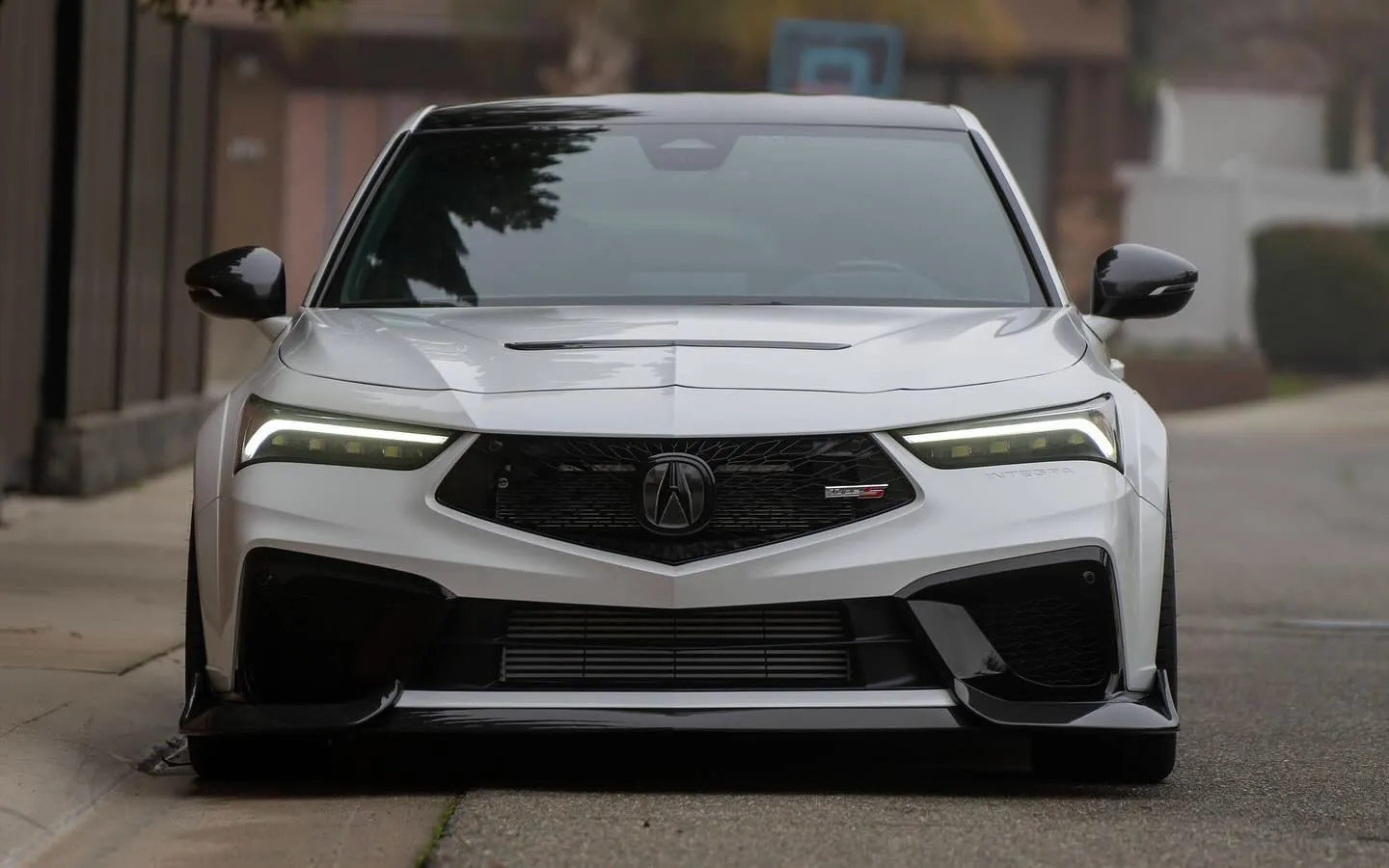
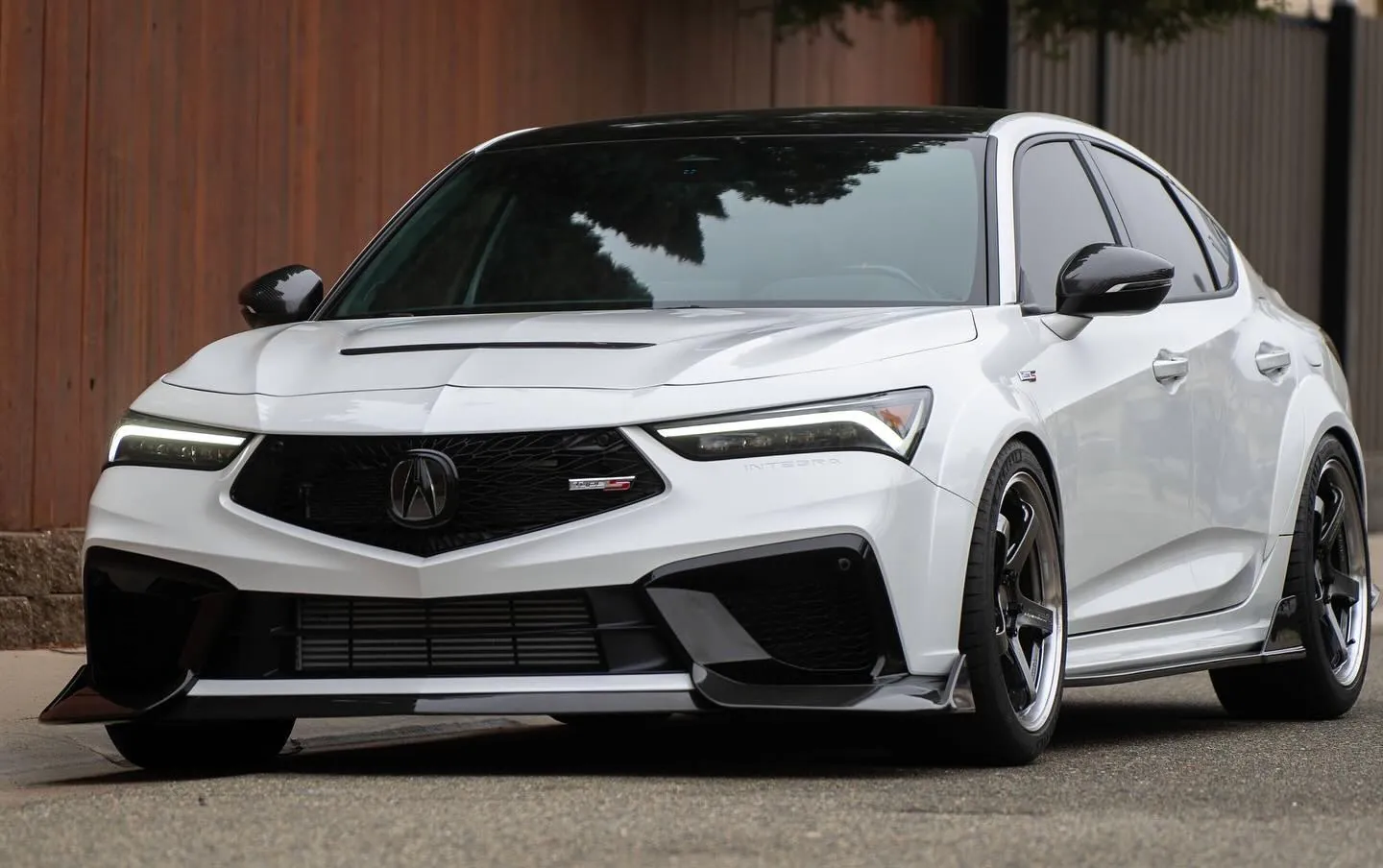
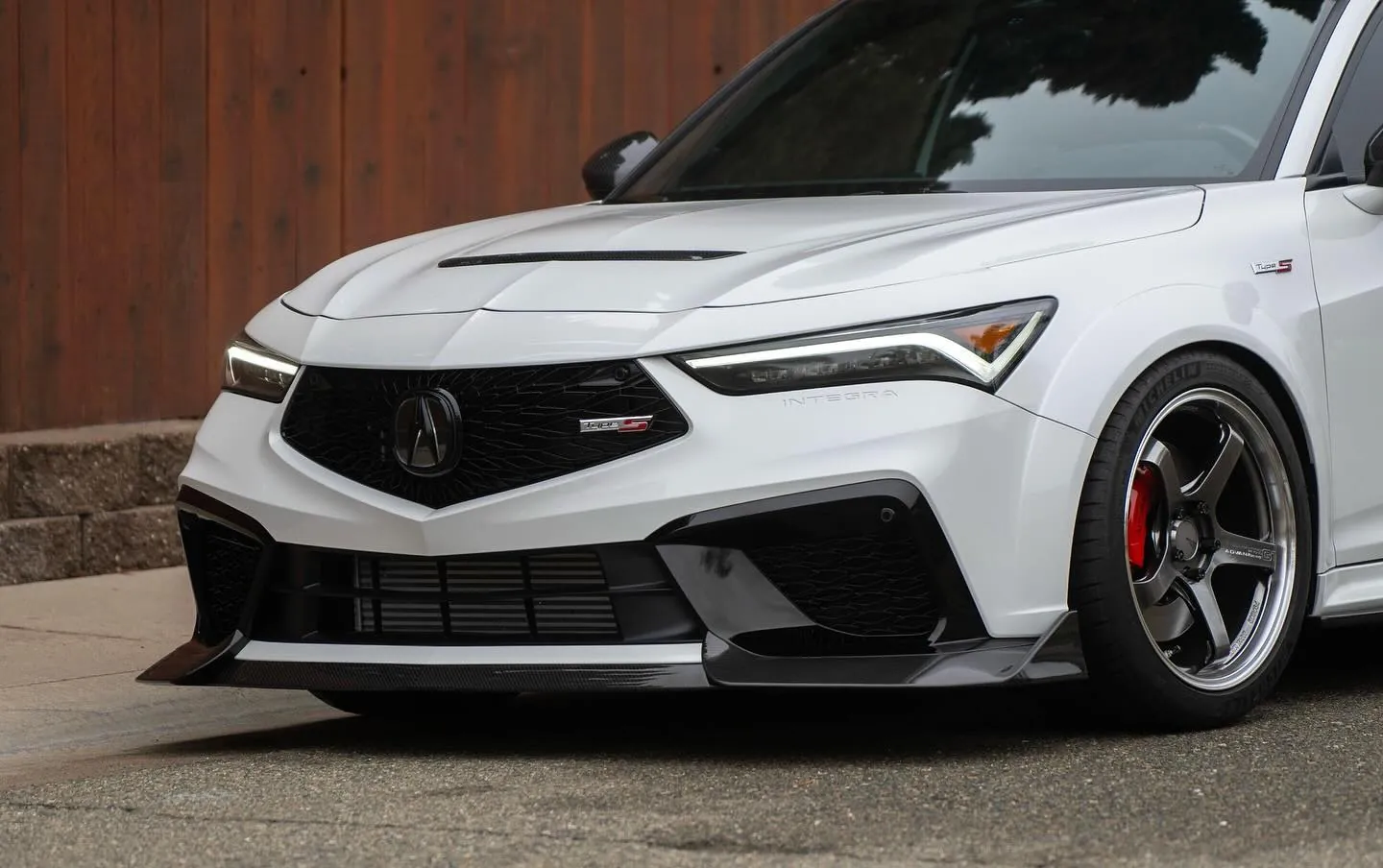
Photos from @ngooyen on Instagram. Follow for more.
Full transcript
Show the full transcript (25 lines) +
0:00Alright, so we have the Acura Integra Type S, and you can see the fitment difference comparison.
0:11So it's definitely sunk into the arches, and some people will go 25, which is pretty aggressive,
0:19which pushes it 25 millimeters this way, two and a half. The bottom is nice and flush already,
0:29but unfortunately, the top, not so much huge gap, making it look a little bit higher than it is
0:38because it's so sunk in there. And just comparison right here, we have the NSX, which is also on
0:46spacers as well, and no problems fitting in on that one, because it's on the OEM wheels,
0:56slight drop, this one. I'm still debating if I'm going to drop it wing for more R&D on people
1:01who are making springs, spoon, swift. There it is. So I'm trying to give you a good
1:11kind of angle right there. And 15 is kind of mild, but I don't want it poking out too much.
1:20The fronts are okay, it's just really the rears that kind of bother me, but yeah,
1:30I'll be able to knock out this side real quick, pretty simple. The car uses a 22,
1:38and that's what we're going to use here. This should be another centric, nice. So it's right around
1:58the wheel. So by the way, these are 19's, millimeters, okay. There's also torqued these to 94
2:17for the Type R and the Type S and 80 foot pounds for a regular Civic. All right, so I'm
2:32having my wife's slipping on the brakes pedal, do a start pattern, 94 foot pounds, also recommended
2:54you drive around the floor, just make sure you don't lose the tighten up. All right, one more good.
3:09All right, so I'm just going to put the wheel right on. Looking good. All right, so the fronts
3:18and rears are on on the passenger side, and you can kind of see the fitment now.
3:25I think it's perfect. It's not like hell of flush, but it does look good. It's more like an OEM plus look
3:37where it's still sunk in. Yes, but at the same time, it's not so high offset, that looks funny.
3:46There's the rear. This is pretty much parallel to the car. You can kind of see a little bit
3:56meat poking out on the side right there, which is awesome. It looks very aggressive. And of course,
4:02right here, you can do it back to back right here. It's a very subtle difference. You know,
4:24it's a pretty different. I know what to look for, so it's a big difference for me,
4:32but the average ratio probably would it. No, but yeah, time for the other side
Machine-transcribed from the full-length video and lightly cleaned (product names fixed). Watch the video for exact wording.
Next step


